
What is Wild Chiltepin? The Red Gold of Sonora Explained
Wild chiltepin (Capsicum annuum var. glabriusculum) is the wild ancestor of cultivated chiles, hand-harvested in Sonora, prized for its sharp, citrus spiciness. Here is what makes it special.
By Julian Orozco, founder of La Yaquiyori
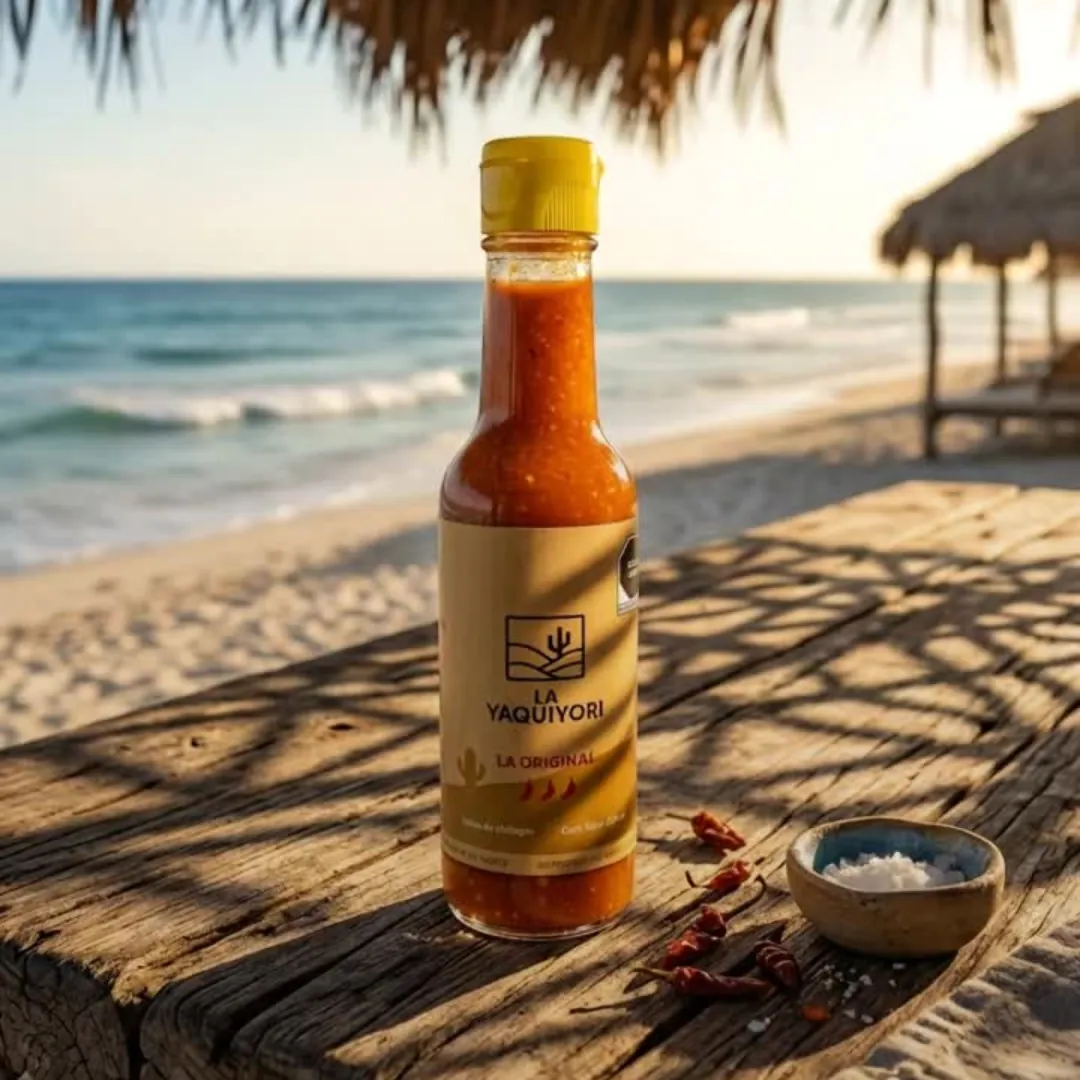
Wild chiltepin (Capsicum annuum var. glabriusculum) is the wild ancestor of the cultivated chiles of its species, like the jalapeño. It grows wild in the mountains of northwestern Mexico - particularly in Sonora - where the arid climate and the unique ecosystem of the Sierra Madre give it a flavor and spiciness unlike any other.
The origin of the name
The word "chiltepin" comes from the Náhuatl "chiltecpin", meaning "flea chile" - a nod to its tiny size. Despite being one of the smallest chiles in the world, its potency is extraordinary: between 50,000 and 100,000 Scoville Heat Units (SHU), surpassing many larger peppers.
Why it is called the red gold of Sonora
Wild chiltepin cannot be cultivated industrially. Each fruit must be hand-picked in the Sonoran Sierra, where it grows under the shade of native nurse trees in very specific conditions. This harvesting difficulty, combined with its unique flavor and growing demand, makes its market price extremely high - earning it the nickname "red gold".
A flavor profile like no other
Unlike other chiles, wild chiltepin offers a sharp, short-lived spiciness accompanied by fruity, citrus and lightly smoky notes. It is a chile that, as Sonorans say, "stings nicely without hurting." Its flavor is complex enough that it does not need to be blended with other chiles to make an exceptional hot sauce.
A pillar of Sonoran cuisine
In Sonora, chiltepin is more than a condiment - it is part of cultural identity. It is traditionally used in pozole, carne con chile, beef stews, menudo, machaca and meatballs. Sonoran families have harvested wild chiltepin for generations, passing down knowledge of the best harvest sites from parent to child.
Wild vs. cultivated
There is a notable difference between wild and cultivated chiltepin. The wild chile, growing under natural conditions of water stress and ecological competition, develops significantly higher concentrations of capsaicinoids and aromatic compounds. The result is a chile with more character, more complexity and a cleaner spiciness.
To bring wild chiltepin to your table, meet the Pack Duo.
At La Yaquiyori, we use exclusively 100% wild chiltepin hand-harvested in the Sierra of Sonora. We believe the authentic flavor of red gold has no shortcuts and no substitutes.
Keep reading
- Chiltepin Scoville Scale: How Hot Is the Red Gold of Sonora?Wild chiltepin reaches 50,000-100,000 SHU on the Scoville scale. How spiciness is measured, what the numbers mean, and where chiltepin sits among the hottest Mexican chiles.
- Wild Chiltepin in Yaqui and Mayo Culture of SonoraIndigenous history of wild chiltepin: the role of the "flea chile" in Yaqui, Mayo and Comca'ac (Seri) cultures of Sonora from pre-Conquest times to today.
- The Complete Guide to Wild Chiltepin PepperComprehensive guide to wild chiltepin: botanical origin, distribution, Scoville spiciness, harvest, culinary uses, indigenous history and why it is the wild ancestor of the jalapeño and other cultivated chiles.