
Chiltepin vs. Piquin Pepper: The Definitive Guide
Chiltepin and piquin are often confused but are very different chiles. Origin, shape, heat level, flavor profile and culinary uses compared.
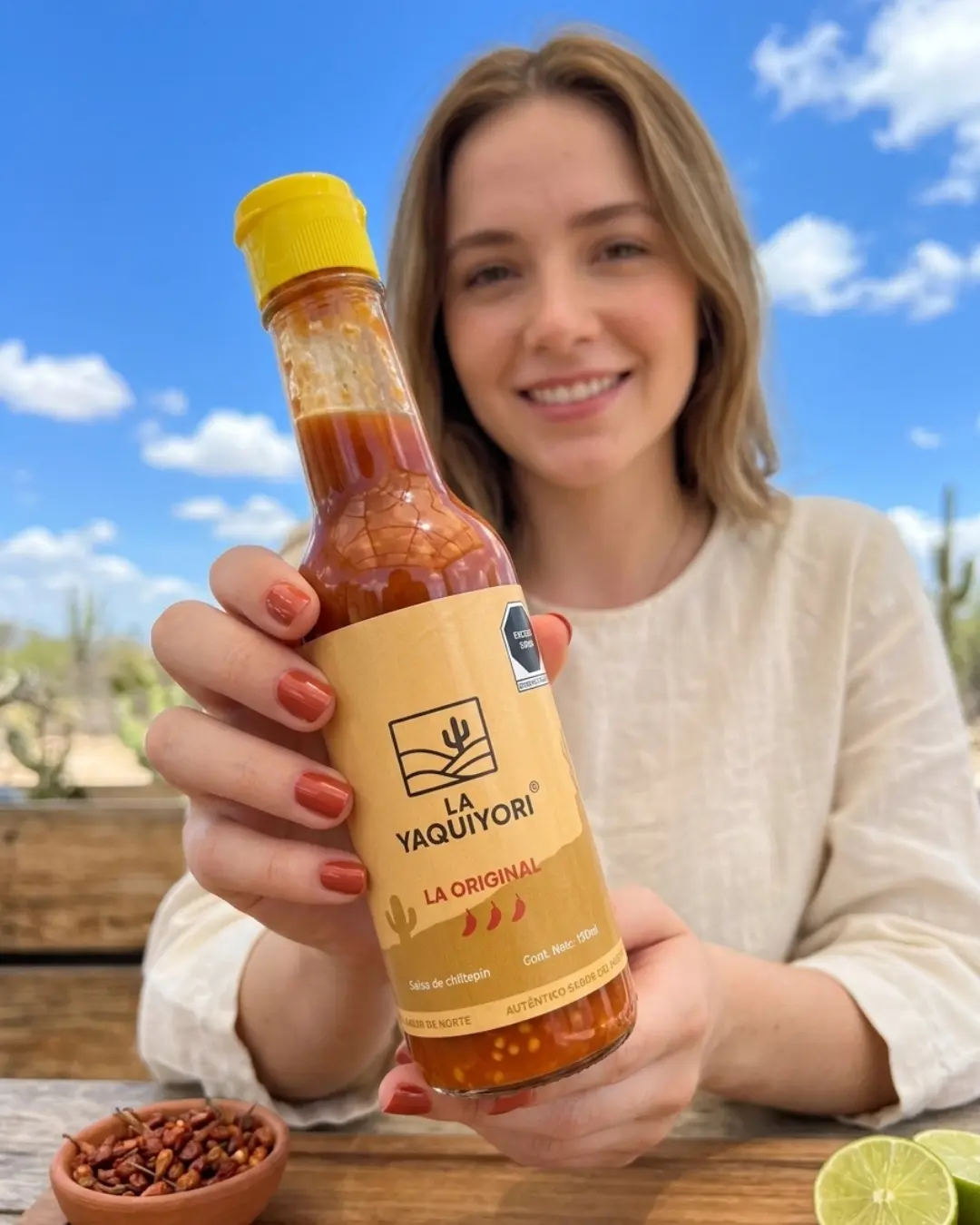
It is one of the most common confusions in Mexican cuisine: many people use "chiltepin" and "chile piquin" interchangeably, but they are actually distinct chiles with important differences in shape, flavor, origin and heat level.
Shape and appearance
The most visible difference is shape. Chiltepin is round, almost spherical, the size of a pea or a pearl. Piquin pepper, on the other hand, is oval and elongated, similar to a tiny bullet. Both are very small, but their silhouettes are unmistakable once you know them.
Geographic origin
Wild chiltepin grows predominantly in northwestern Mexico — Sonora, Sinaloa and Chihuahua — on the slopes of the Sierra Madre Occidental. Piquin has a wider distribution, growing from the southern United States to Central America, and is more common in northeastern Mexico (Nuevo León, Tamaulipas).
Heat level
Both are very spicy chiles, but chiltepin generally surpasses piquin. Wild chiltepin reaches 50,000 to 100,000 Scoville units, while piquin typically ranges from 30,000 to 60,000 SHU. The chiltepin's heat is also more "explosive" and immediate, fading quickly. Piquin's heat is more gradual and persistent.
Flavor profile
This is where the difference becomes most notable for trained palates. Wild chiltepin offers fruity, citrus and lightly smoky notes, with a higher aromatic complexity. Piquin tends to be more earthy and direct, with fewer nuances. In a single-varietal sauce like La Yaquiyori, these fruity chiltepin notes show in their full expression.
Wild vs. cultivated
Wild chiltepin is extremely difficult to domesticate. While cultivated chiltepin exists, the wild chile harvested in the Sierra has a significantly more intense and complex flavor profile. Piquin, by contrast, is grown more easily, making it more accessible but less exclusive.
Which is better?
It is not a question of which is better in absolute terms, but which experience you are after. If you want explosive heat with aromatic complexity and fruity notes, wild chiltepin is unbeatable. If you prefer more constant, earthy heat, piquin has its charm. At La Yaquiyori, we choose wild chiltepin because we believe its complexity deserves to be the absolute protagonist — no blends, no shortcuts.
Try wild chiltepin in its purest form
Pack Parrillero and Reserva de la Sierra available with discount.
Shop now