
Wild Chiltepin in Yaqui and Mayo Culture of Sonora
Indigenous history of wild chiltepin: the role of the "flea chile" in Yaqui, Mayo and Comca'ac (Seri) cultures of Sonora from pre-Conquest times to today.
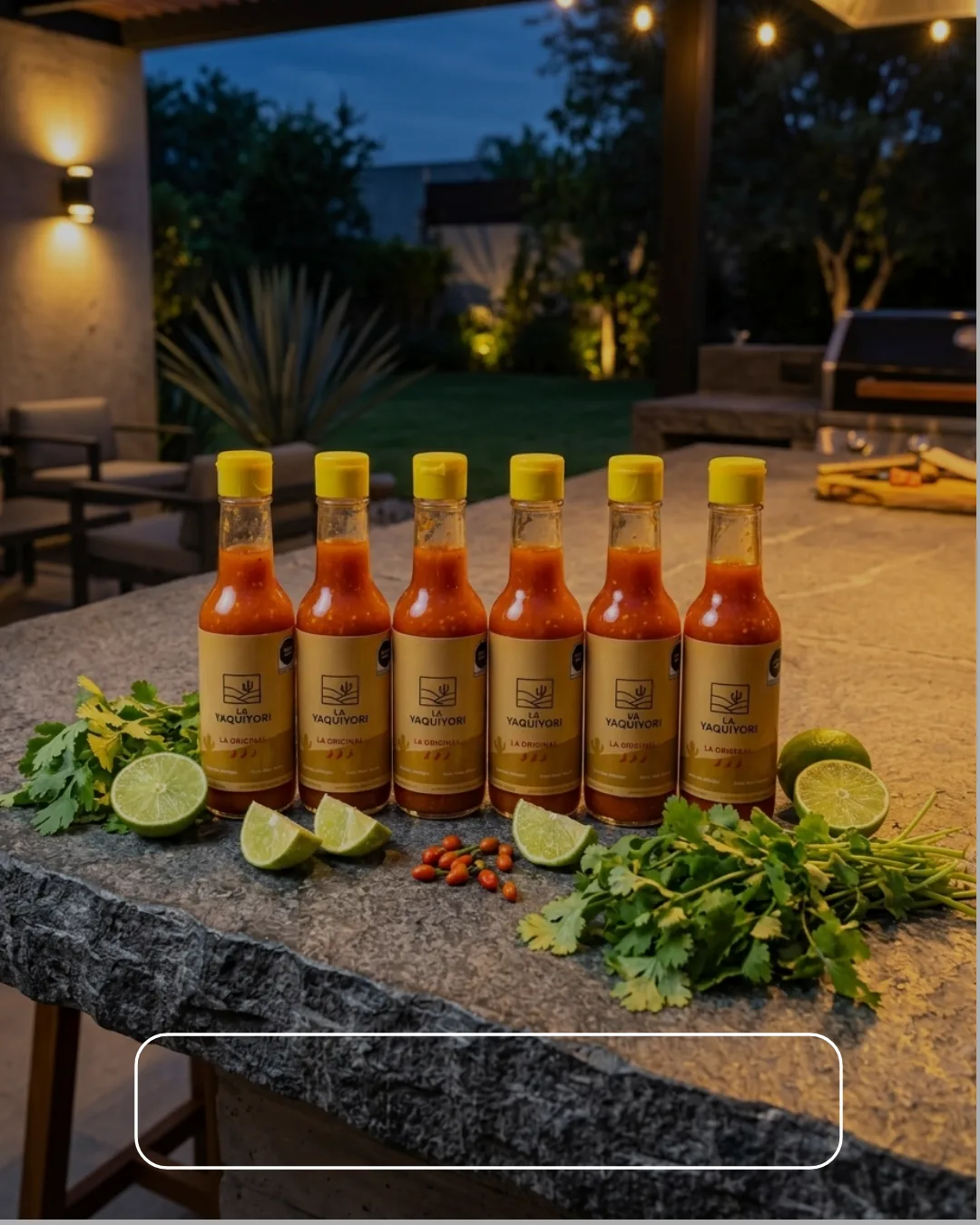
Wild chiltepin is not a modern discovery. Long before "gourmet" entered the Mexican lexicon, the indigenous peoples of Sonora were already harvesting this chile as food, medicine and ritual element. This is a brief history of its place in Yaqui, Mayo and Comca'ac (Seri) cultures — the peoples who gave chiltepin its name and its use.
A Náhuatl name, indigenous local use
The word "chiltepin" comes from the Náhuatl "chiltecpin" (chil = chile, tecpin = flea), a name that arrived in northwest Mexico with Mesoamerican cultural expansion. However, the chile and its use are older: the Cahíta peoples (Yaqui and Mayo) called it "kókoi" (in Yaqui), and the Comca'ac called it "haxöl ipápjö" (chile of the ants).
The plant has grown wild in the Sierra for at least 9,000 years per archaeobotanical evidence from caves like Coxcatlán in Tehuacán. In Sonora, ethnobotanical records from INAH and UNAM document continuous use of chiltepin by indigenous peoples since pre-Hispanic times.
Harvest as generational tradition
For Yaqui and Mayo peoples, chiltepin was never a crop: it was always gathering. Families climbed the Sierra between September and November, after summer rains, when fruits turned from green to red. The practice is passed from mothers and grandmothers to daughters, and from fathers to sons: where the best nurse trees are (amapa, torote, mauto), how to identify the plant, how to gather without damage.
This generational knowledge is what makes wild chiltepin so distinct: it is not just the chile, but the exact harvest moment, the selected plants, and post-harvest handling (sun-drying or fresh processing per family recipe).
Traditional uses beyond bottled sauce
In Cahíta cuisine, chiltepin was not originally used in bottled sauce — that is a more recent practice. Traditional uses included:
- Whole dried chiltepin crushed in a molcajete, sprinkled over meat, beans or stew.
- Fresh chiltepin in molcajete-ground salsa with tomato and garlic, made at meal time.
- Chiltepin in hot water as a remedy for headache and colds.
- Chiltepin in poultice with animal fat for joint pain (documented medicinal use).
- Plant leaves in infusion for digestive discomfort (less common use).
Chiltepin as a cultural link today
In the Yaqui communities of the eight pueblos (Vícam, Pótam, Tórim, Bácum, Cócorit, Huirivis, Belém and Ráhum) and among the Mayos of the Mayo and Fuerte rivers, chiltepin remains present. Families dedicated to gathering sell the product in regional markets (Guaymas, Ciudad Obregón, Hermosillo) during the season, and many artisanal producers — including La Yaquiyori — work directly with local harvesting families.
Buying sauce made with hand-harvested wild chiltepin is, in practice, a way to keep alive a chain of work and knowledge that goes from grandparents in the Sierra to your table. It is not marketing: it is the only real way to obtain this chile at scale.
About the brand name
"Yaquiyori" is a compound of "Yaqui" (the Yoreme — original people of Sonora) and "yori" (a Cahíta word for non-Yaquis or, broadly, anything external). The name alludes to the cultural bridge that chiltepin represents: a food born in Yaqui and Mayo territory that today belongs to all Sonoran and Mexican tables.
Try wild chiltepin in its purest form
Pack Parrillero and Reserva de la Sierra available with discount.
Shop now