
Authentic Wild Chiltepin Hot Sauce: 7 Hallmarks of the Real Thing
How do you recognize an authentic wild chiltepin hot sauce? Label, bottle, color and origin - seven hallmarks that distinguish a real artisanal sauce.
By Julian Orozco, founder of La Yaquiyori
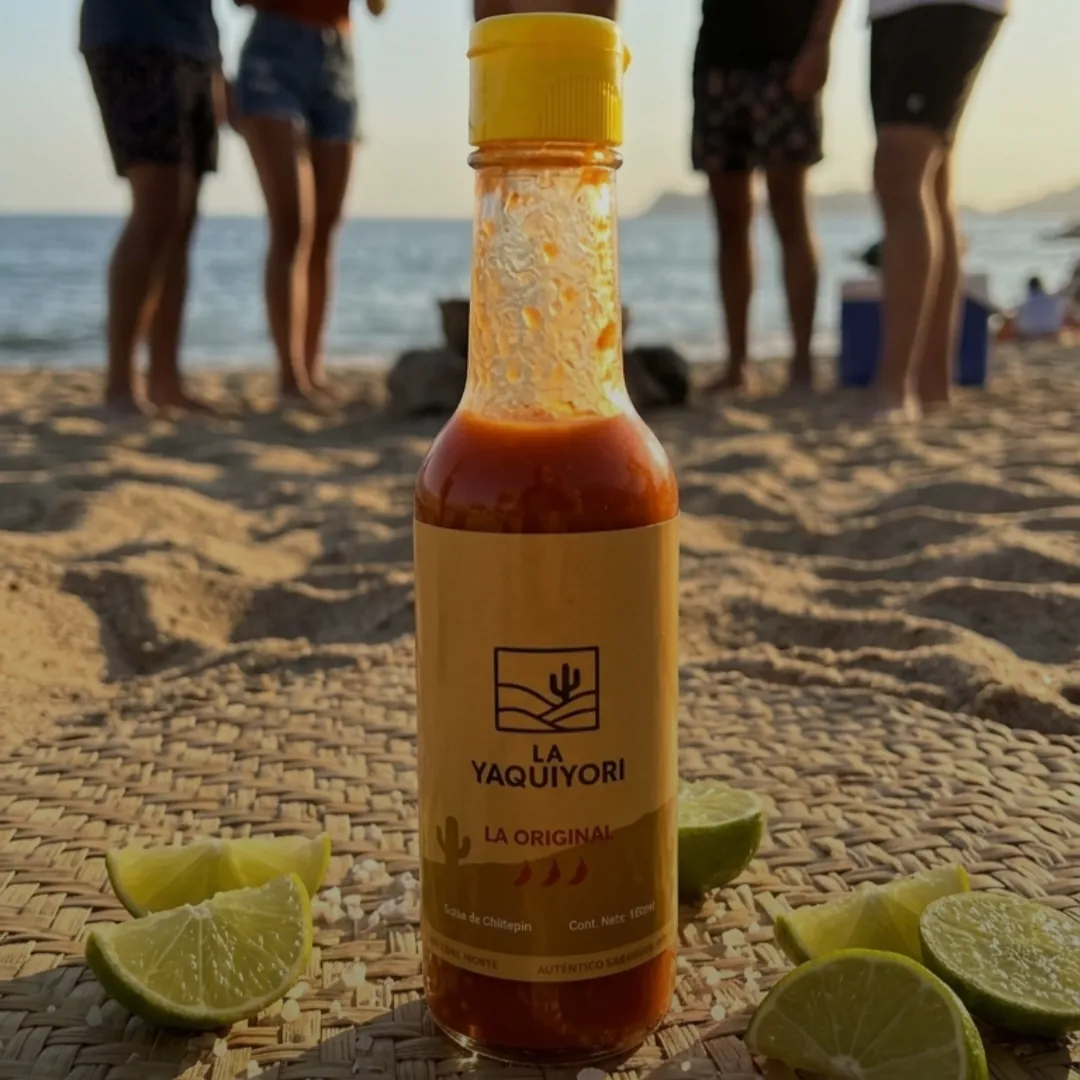
Wild chiltepin is one of the most coveted chiles in Mexico, which means many sauces borrow its name without the chile actually being the protagonist. These are the seven hallmarks that distinguish an authentic wild chiltepin sauce - useful when choosing on a shelf or when asking a brand directly.
1. The ingredient list is short
An authentic wild chiltepin sauce typically has 3 to 5 ingredients: wild chiltepin, water, vinegar, salt - sometimes a simple spice. If the list starts with "water, peppers, spices" without naming chiltepin specifically, or if it includes multiple chiles, extracts or flavorings, it is no longer a chiltepin-centered sauce.
2. It does not rely on artificial colors
The red color of wild chiltepin comes from its own carotenoids. If a label mentions FD&C Red 40, FD&C Yellow 6 or other synthetic dyes, it is compensating for what the chile is not contributing at the dosage used. An authentic sauce lets the chile do the color, supported by the natural acidity of vinegar.
3. It is bottled in glass
Glass is inert: it does not react with the acidity of the sauce, does not transfer flavors, and preserves the aroma of chiltepin batch after batch. Plastic-bottled sauces tend to lose volatile compounds and nuance over time. Glass also signals that the brand is willing to absorb a higher cost to protect the product.
4. The color can shift over time
This sounds counterintuitive, but it is the clearest proof of authenticity. The natural carotenoids in chiltepin are photo-sensitive - sunlight can mute them over time. If a sauce keeps a perfect neon red for years under any conditions, it probably contains added dye. If the color lightens slightly after months in the light, it is because the chile is real. (Practical tip: keep the bottle in a cool, dark place to preserve color longer.)
5. The best-by date is short
Mexican food regulation requires a best-by date that reflects the product's real shelf life. In an artisanal chiltepin sauce, that date is typically 4 to 6 months after bottling. A sauce that claims 12, 24 or 36 months of shelf life is heavily stabilized with additives.
6. The chile origin is declared and verifiable
Wild chiltepin grows in very specific zones: the mountains of Sonora, Sinaloa, Chihuahua and parts of Arizona. An authentic sauce names where the chile comes from - even a specific region or sierra - and ideally mentions that the harvest is manual. If the label only says "chiltepin pepper" without origin, it could be low-aroma cultivated chiltepin, or chile de árbol sold under the chiltepin name.
7. The spiciness is intense but short-lived
Wild chiltepin has a very particular spiciness profile: 50,000 to 100,000 Scoville units that arrive fast, peak, and dissipate quickly. As they say in Sonora, "it bites nicely but does not hurt". If a sauce sold as chiltepin leaves a heavy, earthy, lingering spiciness, it probably contains other chiles hotter than chiltepin - habanero, manzano, or extracts.
The short version
To summarize: glass bottle, ingredients you can count on one hand, no artificial colorings, declared origin, short best-by date, and a spiciness that fades fast. Those six or seven signals describe an authentic wild chiltepin hot sauce.
At La Yaquiyori we meet every one of these signals out of conviction, not differentiation: we believe wild chiltepin deserves to reach your table as it is, with no shortcuts. If after reading this you want to see our label and process up close, that is the spirit of the project.
Keep reading
- Chiltepin vs. Piquin Pepper: The Definitive GuideChiltepin and piquin are often confused but are very different chiles. Origin, shape, spice level, flavor profile and culinary uses compared.
- Chiltepin Scoville Scale: How Hot Is the Red Gold of Sonora?Wild chiltepin reaches 50,000-100,000 SHU on the Scoville scale. How spiciness is measured, what the numbers mean, and where chiltepin sits among the hottest Mexican chiles.
- Wild Chiltepin in Yaqui and Mayo Culture of SonoraIndigenous history of wild chiltepin: the role of the "flea chile" in Yaqui, Mayo and Comca'ac (Seri) cultures of Sonora from pre-Conquest times to today.