
Single-Varietal Wild Chiltepin Hot Sauce: What It Means and Why It Matters
A single-varietal chiltepin hot sauce uses only one chile in the recipe: wild chiltepin from Sonora. Here is what that means, how it is made, and why it changes the flavor.
By Julian Orozco, founder of La Yaquiyori
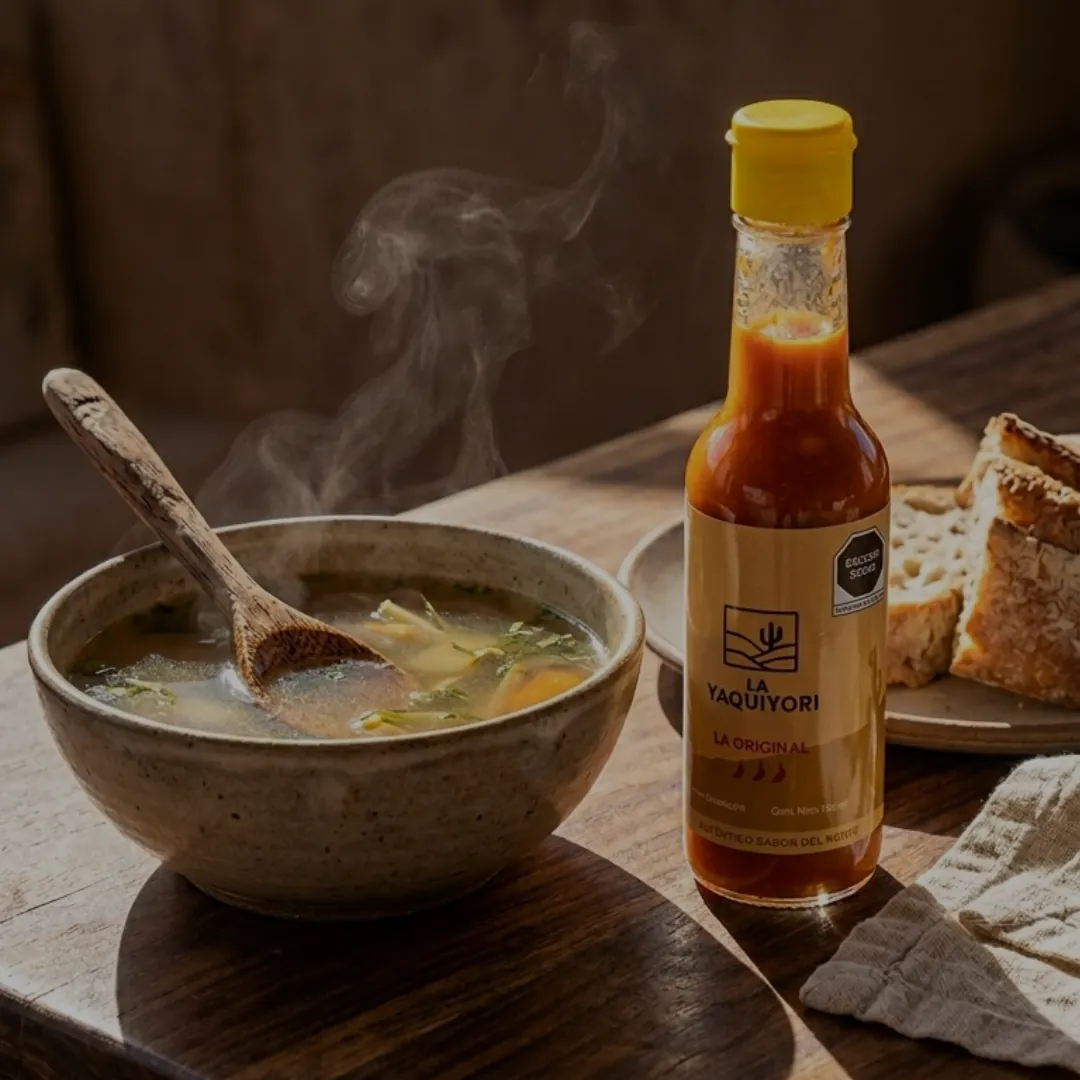
The term "single-varietal" comes from the world of wine and olive oil: it describes a product made from one variety alone. In a single-varietal chiltepin hot sauce, the only chile in the recipe is wild chiltepin. No chile de árbol, no guajillo, no extracts. That single decision defines the character of the finished sauce.
What makes a single-varietal sauce different
When a chile does not share the recipe with others, its full sensory profile reaches the palate without interference. Wild chiltepin has fruity, citrus and lightly smoky notes that arrive in layers: first a bright spiciness between 50,000 and 100,000 Scoville Heat Units, then a dry, almost floral aroma, and finally a mineral finish that belongs to the Sonoran sierra.
In a blended sauce that uses cheaper chiles to bulk it out, those nuances thin out. The blend can still taste good, but it is a different experience: it is not chiltepin, it is a sauce that contains chiltepin.
Why single-varietal chiltepin sauces are rare
There are three technical reasons:
1. Wild chiltepin costs several times more than any cultivated chile. A sauce made only with chiltepin has a raw-ingredient cost that is hard to match.
2. The harvest is manual. Wild chiltepin cannot be grown industrially - each fruit is hand-picked, plant by plant, between September and November in the Sonoran mountains. Supply is limited and varies year to year.
3. Without a blend, there is nowhere to "hide" natural variation. Each batch tastes slightly different depending on rainfall and the microclimate of the harvest site. Whoever makes a single-varietal sauce embraces that variation as part of the product, not as a defect.
How a single-varietal chiltepin sauce is made
The process is minimalist by necessity. The La Yaquiyori recipe is reduced to wild chiltepin, water, vinegar and salt - nothing else. No colorings, no extracts. Each batch is made by hand in small runs, bottled in glass (which is inert and does not react with the acidity), and labeled by hand.
The result: a sauce that respects the chile. If a given year's chiltepin was more citrus-forward, that year's sauce is more citrus-forward. If the sierra produced a harvest with more smoke, the sauce reflects it. That transparency is the single-varietal promise.
If you want to try a single-varietal chiltepin sauce, start with the Pack Duo.
How to spot a single-varietal sauce
Read the label. A single-varietal chiltepin sauce has a very short ingredient list and chiltepin is the only chile mentioned. If the list says "chiles" in the plural, or names extracts or dyes (FD&C Red 40, Yellow 6), it is not single-varietal.
Also check the origin. A single-varietal wild chiltepin sauce that deserves the name will indicate where the chile comes from (Sierra of Sonora, hand-harvest). Traceability is part of the product.
Why it matters when you eat
Beyond technical purity, a single-varietal sauce changes how you cook with it. Because you know exactly which chile you are adding, you can dial the dish in better: a few drops to brighten an aguachile, a spoonful for grilled meat, a dash over fresh oysters. The chile becomes an ingredient with personality, not a generic way to "make it spicy".
At La Yaquiyori we chose the single-varietal route from the first batch. We believe wild chiltepin has a character distinctive enough to stand alone. That is our promise, and it lives in every bottle.
Keep reading
- What is Wild Chiltepin? The Red Gold of Sonora ExplainedWild chiltepin (Capsicum annuum var. glabriusculum) is the wild ancestor of cultivated chiles, hand-harvested in Sonora, prized for its sharp, citrus spiciness. Here is what makes it special.
- Chiltepin vs. Piquin Pepper: The Definitive GuideChiltepin and piquin are often confused but are very different chiles. Origin, shape, spice level, flavor profile and culinary uses compared.
- Chiltepin Scoville Scale: How Hot Is the Red Gold of Sonora?Wild chiltepin reaches 50,000-100,000 SHU on the Scoville scale. How spiciness is measured, what the numbers mean, and where chiltepin sits among the hottest Mexican chiles.